
The Allure of Chance and Risk
One of the most compelling aspects of casino gaming is its inherent allure of chance. The possibility of winning significant sums, combined with the thrill of risk, creates an enticing environment that draws many individuals to gamble. This attraction often stems from a psychological phenomenon known as variable reinforcement, where rewards are given at unpredictable intervals. Such unpredictability heightens excitement and keeps players engaged, as they may experience a win at any moment, reinforcing the desire to continue playing, especially when considering options like betting canada that offer various opportunities. This unpredictable nature of rewards creates a cycle of excitement that can be hard to break.
The excitement found in taking risks is deeply embedded in human nature. Casinos are designed to exploit this trait by creating a sensory-rich environment that enhances the emotional experience of gambling. Bright lights, alluring sounds, and the sight of others winning all contribute to a heightened sense of anticipation. This sensory stimulation can lead to a dopamine release in the brain, reinforcing behaviors associated with gambling and making it difficult for players to walk away from the table or machine. The design of casinos is intentionally engaging, ensuring that players are captivated and often lose track of time.
Moreover, the allure of chance is often heightened by cognitive biases, such as the gambler’s fallacy. Many players believe that past outcomes influence future results, leading them to make irrational decisions. For example, a player may think that after a series of losses, a win is more likely, which is a misconception rooted in probability misunderstanding. Understanding these psychological underpinnings is crucial for both players and casino operators, as they shape the gaming habits of players and influence their long-term engagement with gaming activities, potentially leading to problematic gambling behaviors.
The Social Aspects of Gambling
Casino gaming is not just an individual endeavor; it often serves as a social activity that can foster connections among players. The atmosphere of a casino encourages social interaction, with many players enjoying the camaraderie found in shared experiences. This social dimension can enhance the overall enjoyment of gambling, making players more likely to return. Group dynamics, where friends or acquaintances encourage one another to gamble, can intensify the experience and lead to increased gaming habits. The collective thrill of winning or the shared agony of losses often solidifies bonds among players.
The role of social factors extends beyond immediate interactions at the gaming table. Many gamblers find that their social identities become intertwined with their gaming habits. For instance, someone who frequently visits a casino may develop a reputation within their social circle as a ‘gambler,’ which can further embed this identity into their psyche. This social validation can reinforce their gaming behaviors, leading to a cycle where the individual feels compelled to continue gambling to maintain their status or meet social expectations. The need for acceptance and belonging can drive individuals to gamble even when they might not have the resources to do so.

Additionally, social media has transformed the landscape of gambling, allowing players to share their experiences online. The visibility of wins and losses on platforms like Instagram or Facebook can create a sense of community but also lead to increased pressure to gamble. This digital sharing can sway individuals to adopt riskier gaming habits, as they compare their experiences to those of others and seek to replicate successful outcomes. Understanding the social dimensions of gambling helps illustrate why individuals may develop strong gaming habits that can be difficult to break, as social influences can often outweigh personal judgment.
The Emotional Rollercoaster of Winning and Losing
Gambling is often characterized by a wide array of emotional responses, with the highs of winning and the lows of losing creating an intense emotional rollercoaster. Many players experience a rush of exhilaration when they win, leading to euphoric feelings that can become addictive. This emotional high is often what keeps players returning to casinos, hoping to replicate that fleeting moment of success. Emotional responses can be so powerful that they overshadow rational decision-making, causing players to chase losses and gamble more than they initially intended. This chase can trap individuals in a cycle of gambling that is hard to escape.
The psychological impact of losing can be equally profound. Many players struggle with feelings of regret, disappointment, and even despair after a loss. This emotional pain can lead to a destructive cycle where individuals gamble not only to win back what they lost but also to escape the negative feelings associated with their losses. The interplay between winning and losing creates a complex relationship with gambling, where players may oscillate between joy and despair, further entrenching their gaming habits. This emotional push and pull can lead to an unhealthy attachment to gambling, where the need to win overshadows the risks involved.
Understanding this emotional landscape is crucial for addressing problematic gambling behaviors. Therapists and counselors often employ strategies to help individuals recognize the emotional triggers associated with gambling. By fostering a greater awareness of how emotions influence their gaming habits, individuals can develop healthier coping mechanisms and make more informed decisions about their gambling activities. Recognizing when gambling is used as a tool for emotional escape can empower individuals to seek alternative, healthier outlets for their feelings.
The Role of Environment and Design in Gaming Behavior
The physical environment of a casino is meticulously designed to enhance the gaming experience and encourage players to spend more time gambling. This strategic design includes everything from the layout of gaming areas to the presence of amenities like bars and restaurants. The goal is to create an immersive experience that keeps players engaged for extended periods. Research shows that environments that are stimulating and engaging can lead to increased gambling behavior and longer gaming sessions. The ambiance is crafted to ensure that players feel both comfortable and excited, making it easier for them to lose track of time.
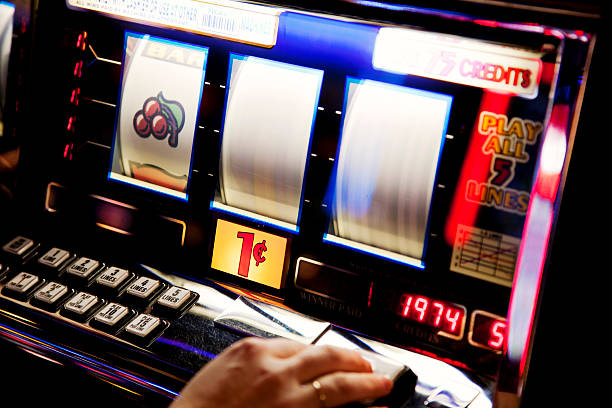
Furthermore, the use of psychological cues in casino design plays a significant role in influencing player habits. For example, the placement of slot machines, the sounds of ringing coins, and the visibility of winners can all create a ‘buzz’ that attracts more players. These environmental cues are deliberately crafted to evoke a sense of excitement and urgency, making it challenging for players to resist the urge to gamble. The layout of a casino can often make it difficult for players to navigate toward exits, thereby prolonging their stay and increasing the likelihood of continued play. This manipulation of space and sound is a calculated effort to maximize engagement and profitability.
Additionally, casinos often implement techniques such as loyalty programs and rewards to encourage repeat visits. These programs appeal to the behavioral economics principle of loss aversion, where players are motivated to return to avoid losing out on potential rewards they have already earned. By creating an environment that feels rewarding and exciting, casinos can effectively increase players’ engagement and spending. Understanding how environmental design impacts gaming behavior is essential for both casino operators and players, as it reveals the underlying factors that contribute to habitual gambling patterns and the potential for addiction.
Conclusion: Understanding Gaming Habits for Responsible Play
Exploring the psychology behind casino gaming habits reveals the complex interplay of chance, social interaction, emotion, and environment. By grasping these underlying factors, both players and operators can engage more meaningfully with the gaming experience. For players, understanding their motivations and the psychological traps of gambling can lead to healthier gaming habits and a more enjoyable experience. Acknowledging the psychological aspects of gambling can empower players to set limits and recognize when their gaming habits may be veering into problematic territory.
Casinos, on the other hand, have a responsibility to create environments that encourage not only entertainment but also safe gambling practices. By promoting awareness and understanding of the psychological elements at play, the gaming industry can foster a culture of responsible play, ensuring that the thrill of gaming remains enjoyable and safe for all participants. This includes implementing measures that encourage responsible gambling, such as self-exclusion programs and educational resources.
Ultimately, the insights gained from examining the psychology of casino gaming habits can serve as a guide for individuals looking to navigate the gaming landscape. Whether for entertainment or potential profit, understanding the factors that drive gaming behavior can empower players to make informed choices and maintain a balanced relationship with gambling. By fostering a culture of awareness and responsibility, both players and operators can contribute to a healthier gaming environment that prioritizes well-being and enjoyment.